FUN · EFFECTIVE · FAMILY STYLE LEARNING


There are many kinds of play, which might be an irrelevant piece of information, except that it sheds some light on effective ways to structure learning. To assist parents in incorporating these three types of play, we structured the Simply Smart website to mirror these three types of play. Let’s take a look at each of them.
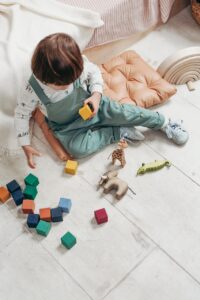
Free play is self-directed and self-selected. It is an activity a person chooses themselves simply because they want to do it. The activity is intrinsically motivated and the person is engaged in the activity for the internal satisfaction it provides. Free play is generally the most effective type of play. Not only does it provide the most significant probability of keeping a child in a “state of play,” but it also produces essential by-products, such as self-motivation, self-direction, and personal responsibility.
The purpose of Kids Corner on the Simply Smart website is to provide children with a space to explore independently, allowing their interests and personalities to guide them to various activities that combine learning opportunities with the intrinsic satisfaction that comes from engaging in enjoyable and stimulating play.
In Kids Corner, children can access books, movies, activities and other resources that can be used by the child independently. Those resources can also be selected based on curriculum areas, such as science, social studies, language arts, fine arts, and practical skills.
2. Mixed-age Play
Play can be solitary (such as reading, collecting, creating), or social. Groups may be of similar ages or skill levels (such as children jumping rope or teens playing a game). When children of different ages or skill levels are playing together, we refer to it as “mixed-age play.”
Mixed-age play is qualitatively different from same-age play. In mixed-age play, each child tries to do their best, but has little or no concern for competing with or beating others. Mixed-age play enables younger kids to learn skills and more sophisticated ways of doing things from older kids. In turn, older children benefit from learning how to nurture, lead, and be the more mature person in a relationship.
The Co-ops and Family Learning section of our website is specifically designed to capitalize on the benefits of multi-aged group learning. Co-op lessons are provided in a variety of curriculum areas, including science, math, and language arts. While current school environments are generally divided into narrow age groups, Simply Smart focuses on family style learning, or presenting material to multiple ages and abilities at once. Multi-aged learning allows children to absorb information at the level they are at. Experience has shown that children absorb more than we think they will, and that a multi-level approach to education accelerates and enriches a child’s overall learning experience.
3. Play Directed by An Adult
The reality of our world is that most of the things we do in life are not self-chosen or self-directed. People in authority—whether it be parents, teachers, or bosses—tell us what we need to do. Learning to follow directions is an integral part of maturing. A well-educated child should develop self-motivation and direction as they learn to be cooperative, respectful, obedient, and teachable.
A child’s activities can be playful and fun when directed by an adult, even if they are not self-chosen. The Simply Smart Subjects section provides more structured learning, with curriculum and courses that are more clearly outlined. However, they are still designed to be hands-on or play based.
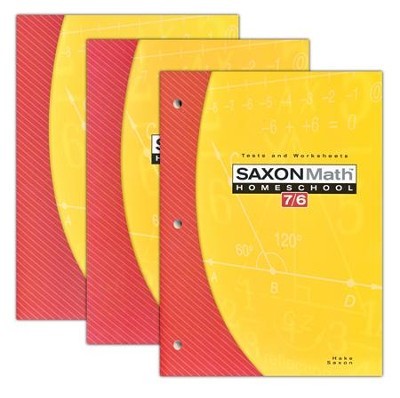
For example, Simply Smart’s Exploring Math program may be teacher-directed, but lesson concepts are presented in an engaging, hands-on way that is more likely to draw children in. Rather than using endless worksheets to drill concepts, games allow practice to be self-directed and fun.
One of the significant challenges we face in transforming our homes into a fun center of learning is to break free from the constraints that encircle traditional classroom learning by utilizing play as a foundational strategy in our teaching. Whether children are engaged in free play, mixed-age play or teacher-directed play, integrating as many of the characteristics of play as possible will yield great results.