FUN · EFFECTIVE · FAMILY STYLE LEARNING

Reality: Many textbooks did not fit our homeschooling needs & we used significantly fewer than I expected
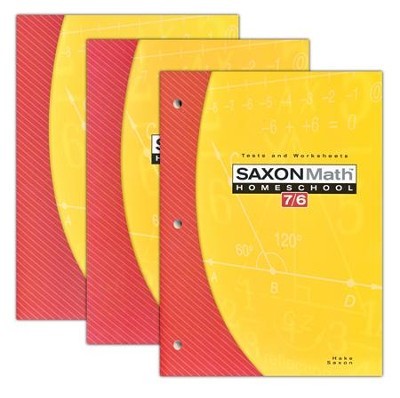
When we first decided to homeschool, my enthusiasm for collecting textbooks was unbounded. I found every available source to acquire free and discarded texts. Before long, I had twenty or thirty linear feet of school books. We had several complete sets of K-8 math and reading textbooks from multiple publishers. We had science and social studies books on every level. You name it, we had it. Few ever got touched.
It did not take me long to realize there were lots better curriculum options out there than those traditionally used in public school. Other curriculums were much better suited to the structure of homeschooling and were more aligned with my personal beliefs and values. So, for every purchase I made and every new resource I gathered, an equivalent number of those old public school textbooks went out the door. Ironically, we only actually used a small percentage of those new textbooks that I considered “excellent material.”
The longer we homeschooled, the more I realized grade-level textbooks generally were not the most effective way of teaching, especially young kids. There were several reasons for that.
First of all, grade level-based textbooks require a student to finish one book in each subject each year. That often doesn’t happen at home. If all of your children do not finish all of the textbooks for each subject each year, what do you do the next year? Continue in last year’s book and get hopelessly behind or just skip to the next book and miss the information you didn’t cover?
A second reason is that grade-level based texts are not conducive to multi-age or family style teaching. If you have a group of students that vary from six to eleven years old, which book do you teach from? When presenting information to a mixed age-group of children, curriculum organized by topics tends to be much more effective than those organized by grade levels. (Read more about why we do not use grade levels here).
Traditional textbooks are also highly dependent on a child’s ability to read and absorb information on their own. If a student struggles with reading, they tend to fall behind in all textbook-based subjects, not because they are not bright enough to excel in the subject, but because they are being fed information in a way that does not match their learning style or stage of development.
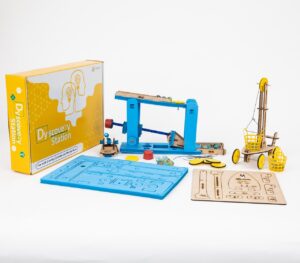
In addition, textbooks are generally designed for passive learning. Students read about something rather than experience it. Solely reading about a topic is a very practical way to dispense information in a traditional classroom setting, but it negates so many of the potential advantages of homeschooling and co-ops. Children thrive with hands-on learning. They would much rather see than merely read about something like science. They would rather discover information for themselves and discuss it with others than have it spoon fed to them from a book. Sticking a textbook in front of a young child is often a good way to get them to hate a school. Whereas, exploratory learning develops initiative and a love of lifelong learning.
Over the years, I ended up using textbooks more as a resource tool than the core of our study. Instead, we relied heavily on hands-on experiences, field trips, etc. The children did read lots & on a variety of topics that interested them, but they were rarely textbooks. We had group discussions, activities and classes exploring different topics. This approach turned out to be a great way to learn and worked well, but it caused me some anxiety. What if I missed something? What if they were supposed to know about arthropods and we did not happen to study that?
This concern was the original motivation for developing the Simply Smart “passport” books. Rather than going through an entire series of science textbooks, week by week, year by year, which tends to waste a lot of time, parents can use use the Simply Smart “passport” books to check-off what students have learned. By using the passport books, students can explore subjects in any order and from any source without the fear of leaving something important out.
Obviously, textbooks played a more important role in High School. However, even then, we used them judiciously and were extremely selective about the textbooks we used. Check out the textbooks and resources on in our website store & the “subject” pages to see what we found useful and actually ended up using. Also, read Finding Curriculum for Homeschooling.